The Cultural Consequences to the Spirit Airlines Shut Down: A Travel Agency Perspective
Exploring the intersection of travel, class, culture, and social mobility.
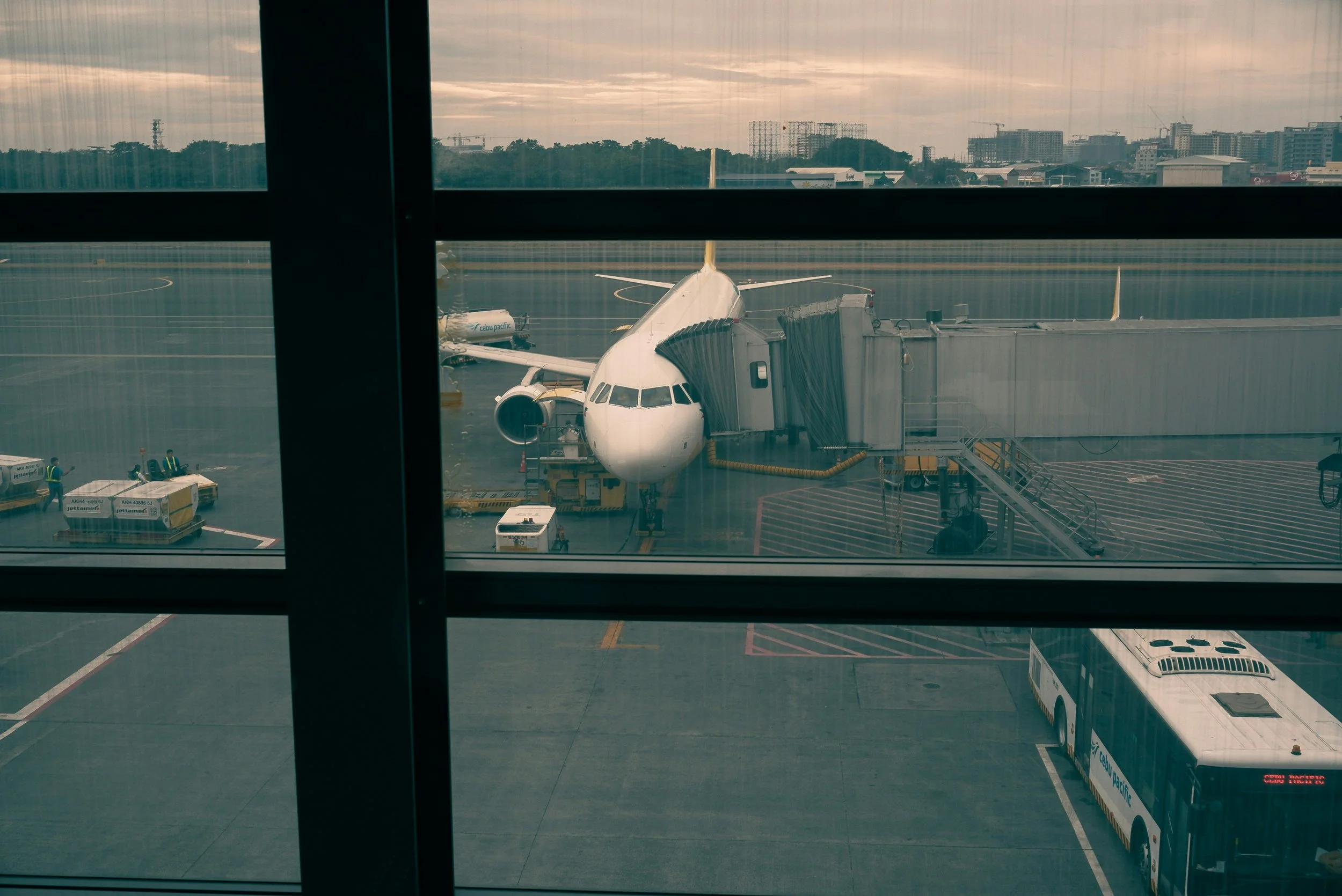
Image by Rey Joson
Spirit Airlines was one of the most recognizable ultra-low-cost airline carriers in the U.S. Known for its bright yellow planes, cheap base fares, “pay for what you use” model (i.e., carry-on luggage), and its infamous lack of customer service, it wasn’t selling comfort to travelers, it was selling access. Access to popular domestic routes like Florida, Las Vegas, and Puerto Rico, as well as international routes to the Caribbean, Mexico, the Dominican Republic, South America, and more.
People might joke about Spirit Airlines shutting down, but low-cost airlines created access to movement for people who historically couldn’t afford it. When affordable travel disappears, movement becomes a privilege again, and society feels it. Even people who never flew Spirit benefited, because major airlines had to compete with its pricing. In a world without Spirit, fares will rise, fewer spontaneous trips will happen, diasporic travel will get harder, and travel will become class-coded again, reverting to a status symbol with real social consequences.
The cultural and spiritual consequences of this shutdown will be seen and felt across the board. How, you ask? For starters, less travel will quietly reinforce class divisions, shaping our perception of class based on whether travel is accessible or not.
As someone who was raised in the travel industry, I often think about the many historical layers through which travel has been accessed. From the voyages of colonizers “discovering” the world, to notable creators like writers and politicians sharing it through their own lenses, travel has not always been accessible to everyone. But in today’s era where bookings and research can be done independently online, we were entering a new age of travel. Now, we may be taking a step backward instead of forward.
Spirit Airlines wasn’t just a “cheap airline” people complained about. It represented access. For many, it made things possible that otherwise might not have happened, like visiting family across states, taking a first intentional trip, quick weekend travel, attending funerals, weddings, birthdays, or pursuing job opportunities. Even just the psychological freedom of knowing you could leave. With Spirit officially winding down international operations and canceling all flights immediately as of Saturday, May 2, 2026, there’s real concern that airfare will rise, especially on leisure-heavy routes like Florida, Las Vegas, the Caribbean, and Latin America, since Spirit was a true disruptor.
Now that this disruptor will cease to exist, combined with higher fuel costs, we can expect reduced competition and likely higher fares.
Whether you realize it or not, travel is a privilege, and because of that, it is tied to class perception. When access expands, travel becomes normalized. When it shrinks, it becomes a status symbol again. All of this shifts how people view mobility and ultimately changes traveler behavior.
Travel starts to feel like a luxury instead of a normal life experience. Budget airlines often serve first-time travelers, immigrant families, and people traveling out of necessity, not just for leisure; but access to travel is shrinking. When movement becomes expensive, freedom becomes expensive too. The closure of Spirit Airlines will, without a doubt, reintroduce the “exclusification” of travel.
Cultural exchange decreases as fewer people are able to participate. For many diasporas, travel became less about escape and more about reconnection. It has helped people recognize themselves in each other. The African diaspora, for example, has been able to connect in tangible ways. Travelers have noticed shared food traditions, spiritual practices, architectural and design parallels like ironwork, symbolism, and ancestral design language, along with language patterns, slang, music rhythms, migration histories, family structures, and beauty rituals.
Travel has allowed people to realize that we’re not disconnected, we were separated. This is what makes cities like New York, New Orleans, Havana, Accra, Lagos, Rio, and Salvador living classrooms of shared memory and experience. It has fostered deeper historical understanding, identity restoration, cultural pride, economic collaboration, and stronger global Black relationships. When travel slows down, these discoveries slow down too.
People who can still move freely may be seen as more socially distant. As fewer people are able to travel, those who can become symbols of economic separation. Travel will increasingly signal financial privilege, social status, freedom of choice, and access to opportunities others cannot reach, widening an already prevalent social divide. The ability to leave becomes proof of who can afford comfort.
Resentment around “who gets access to the world” may grow stronger. A lack of access to travel can become emotional, creating tension when people feel close to the possibility of traveling but cannot actually access it. This is especially intensified through social media, where those blocked by cost still witness others vacationing, working remotely abroad, attending destination weddings, and building identities through travel.
We may soon see increased resentment around inherited wealth, economic inequality, passport privilege, racial and class barriers, and the divide between who gets freedom and who is limited to survival.
All of this matters because travel shapes empathy. People who are able to step outside their environments, even briefly, often return feeling refreshed and with a broader perspective. So who gets to see the world? Undoubtedly, Black and brown communities, immigrant families, working-class individuals, and younger travelers, many of whom only recently gained access to frequent travel will be most impacted. Losing that affordability becomes a loss of freedom, not just convenience.
