Types of Sand Around the World
Which one should you travel for?
You may (or may not!) have realized that you’ve probably been traveling for specific kinds of sand. Choosing destinations based on beaches is definitely a thing, whether you’re a geography buff or just someone who unconsciously gravitates toward a certain type of shoreline. Whether you already knew this or just realized it, let’s break down some sand basics so you can coordinate your next beach vacation!
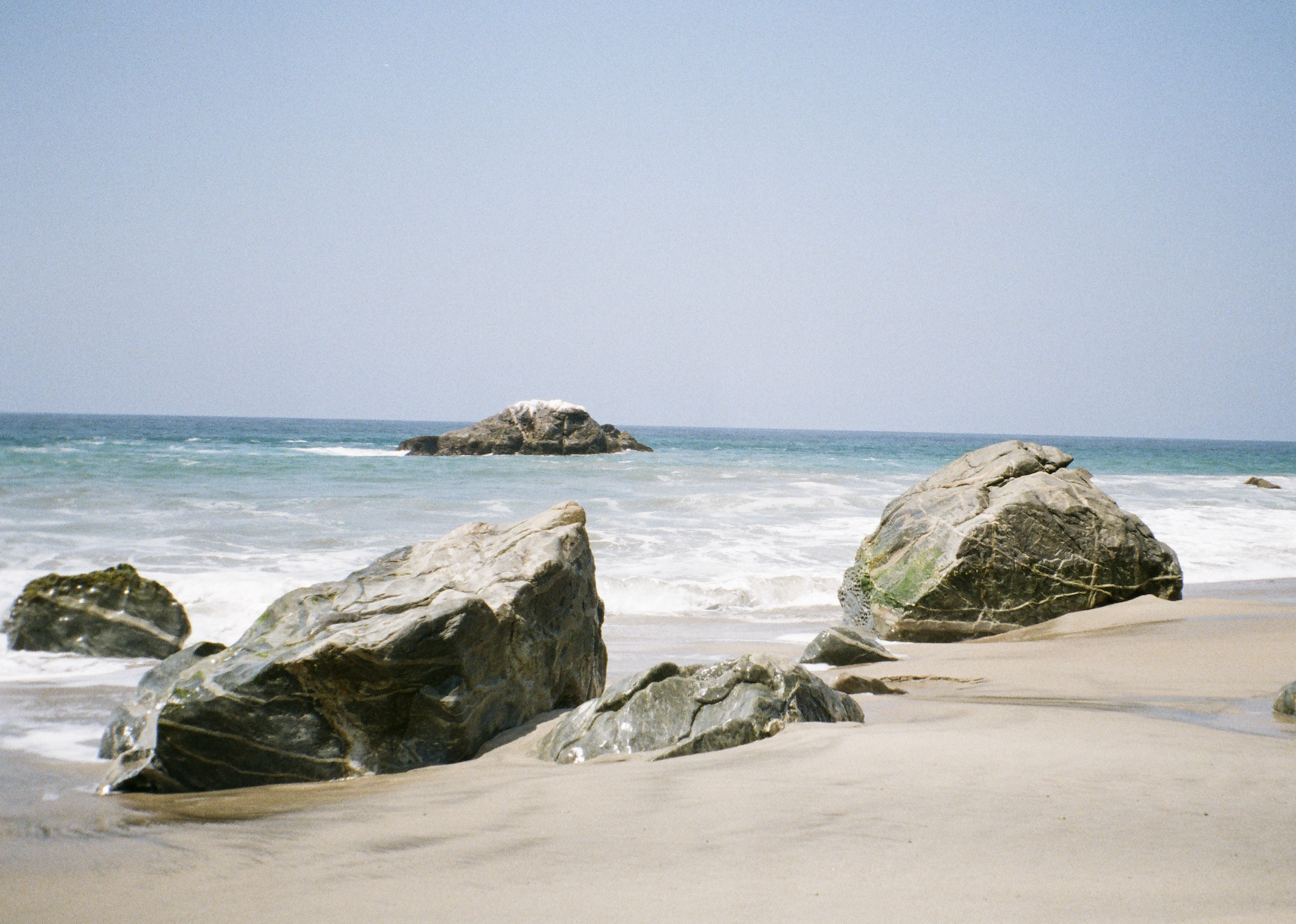
Film photo by The GoGo Travel Agency
Natural beaches, as we know them, shift and evolve constantly, creating ecosystems that depend on that movement involving waves, tides, currents, and the slow, steady movement of sediment. On the other side, there are man-made or heavily engineered beaches that look seamless at first glance but are maintained through human activity, especially after storms.
In these man-made beaches, sand is pumped from offshore deposits or trucked in from quarries to help protect coastlines and support tourism, but they may also disrupt marine habitats, alter water flow, or change the makeup of wetlands. The sand used is often very soft and bright white, designed to match what many people think a beach should look like. I’ll leave you to decide whether a beach is a beach if it’s not naturally occurring… – see: LA (Santa Monica Beach), Paris (Plages), Odaiba Beach (Tokyo), and Brisbane’s Streets Beach.
Note: All are absolutely still absolutely worth a trip, but we’d be insane if we didn’t admit that naturally formed beaches have a special, irreplaceable vibe. Period. Hard pause.
So where does beach sand actually come from? Most sand begins its life inland.
Rocks weather under wind, rain, and temperature changes, breaking down into smaller particles. Rivers carry those particles toward the coast, where waves and currents deposit them along the shoreline. Over thousands (or even millions!) of years, these tiny grains become the sands we walk on without giving them much thought.
In tropical regions, though, the story shifts. The sand on many iconic tropical beaches doesn’t come from land at all, though… It's typically formed from the breakdown of coral, shells, and the skeletons of marine organisms. If you’ve ever noticed how powdery and pale the sand is in places like the Maldives or the Caribbean, that’s why. Fun fact: some tropical beaches are made almost entirely of tiny pieces of parrotfish-chewed coral. Yes, parrotfish literally help make beaches.
Another fun fact (that you might know, or not!): not all sand is quartz-based. Hawaii’s famous black-sand beaches come from volcanic basalt, and green-sand beaches (like Papakōlea) get their color from olivine crystals. So if you thought sand was just “sand,” well… it gets way more interesting than that.
In short, whether you’re chasing soft white sand, dramatic black sand, or the rare glittering green kind, the beach you’re dreaming of has a geological backstory.
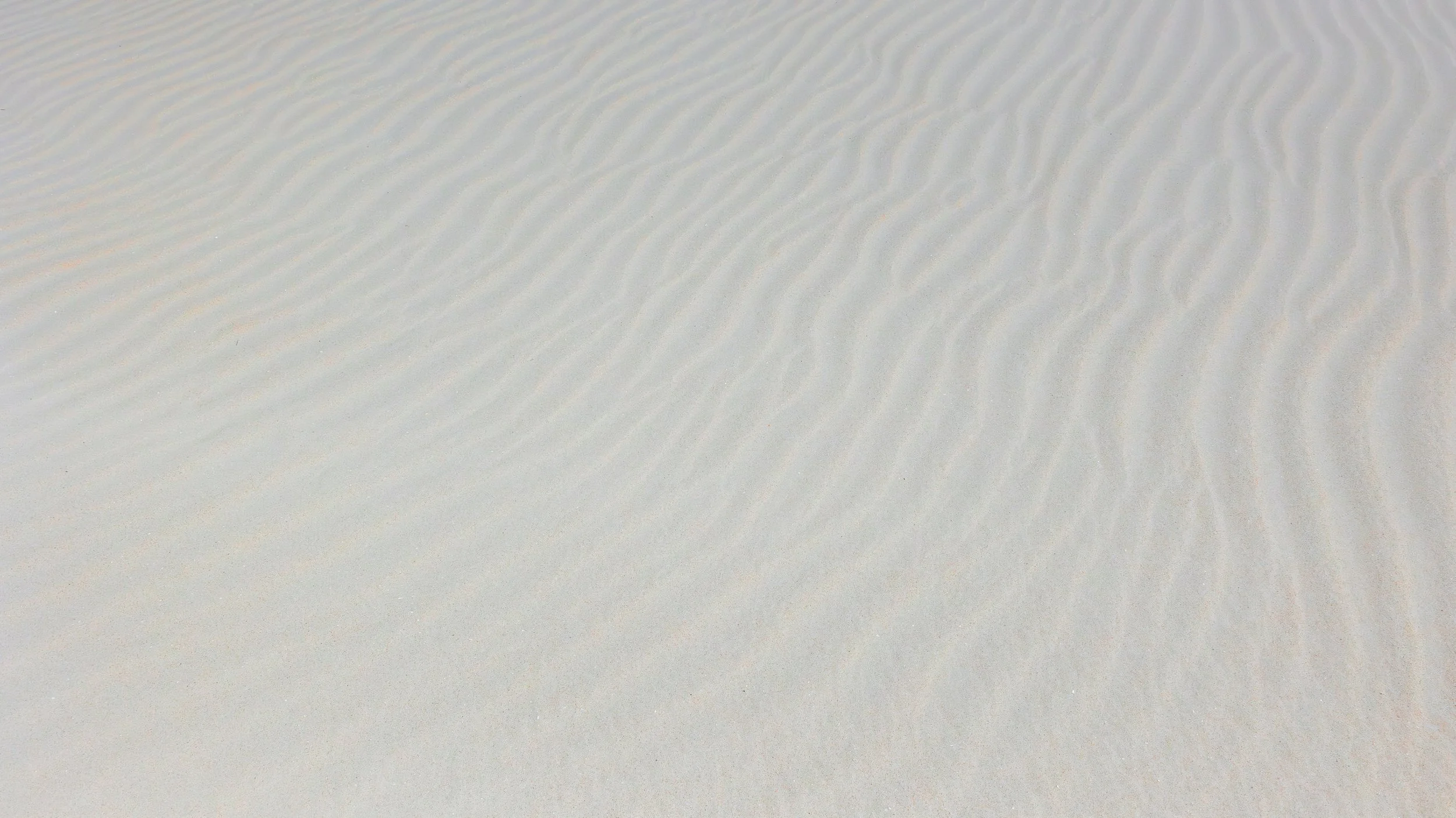
WHITE SANDS
Often found in the Caribbean and Mexico, white sands are generally composed of pure silica (quartz), a durable mineral that often resists weathering but causes erosion from calcium carbonate. This calcium carbonate, often made up of limestone, coral, and shells, often creates the famously powdery beach sand that we know in destinations like the Caribbean and Mexico.
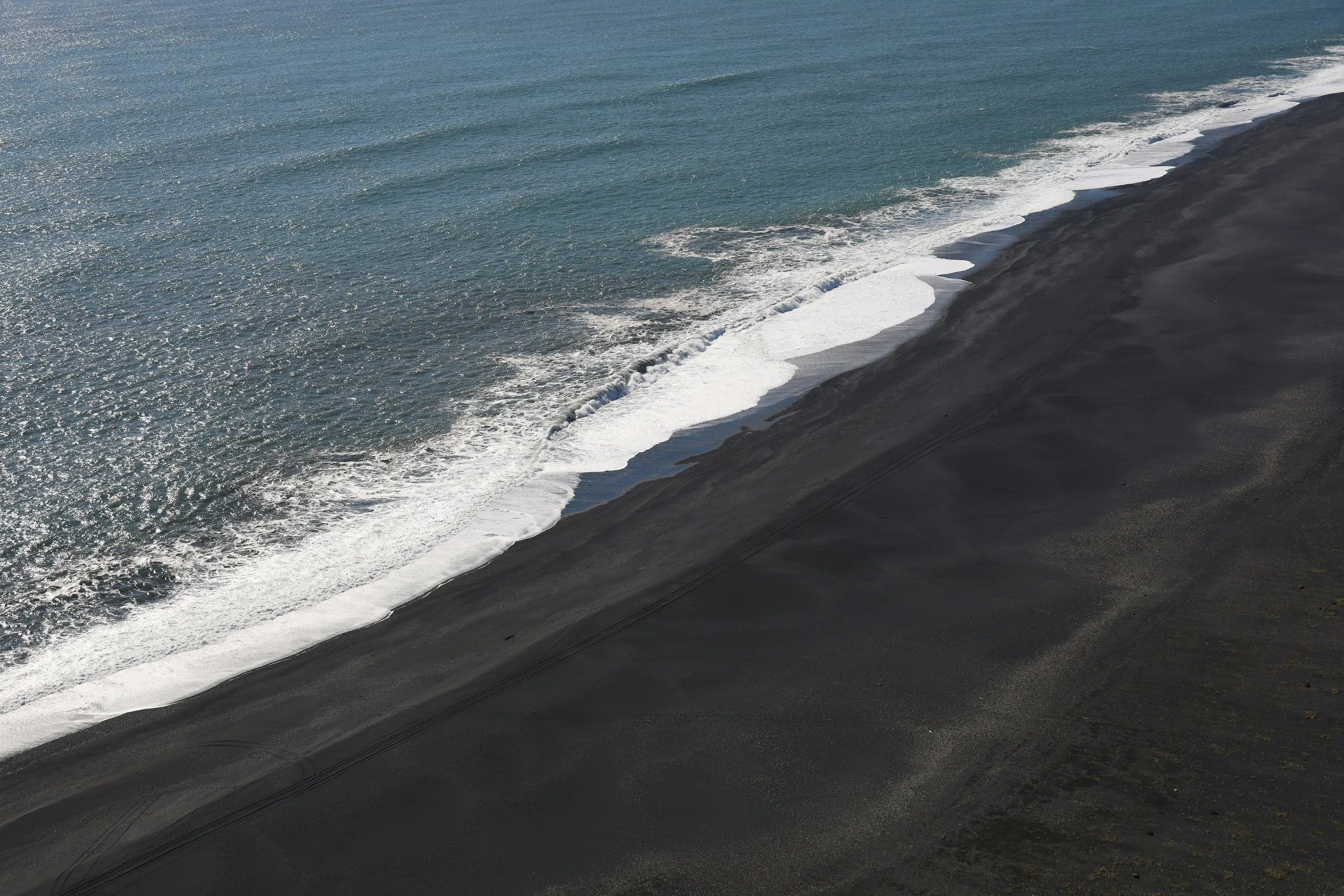
BLACK SAND
Black sand comes from eroded volcanic materials, like lava, assault rocks, and other dark colored rocks. Due to this foundation, you can typically find black sand beaches in destinations where volcanic activity occurs.
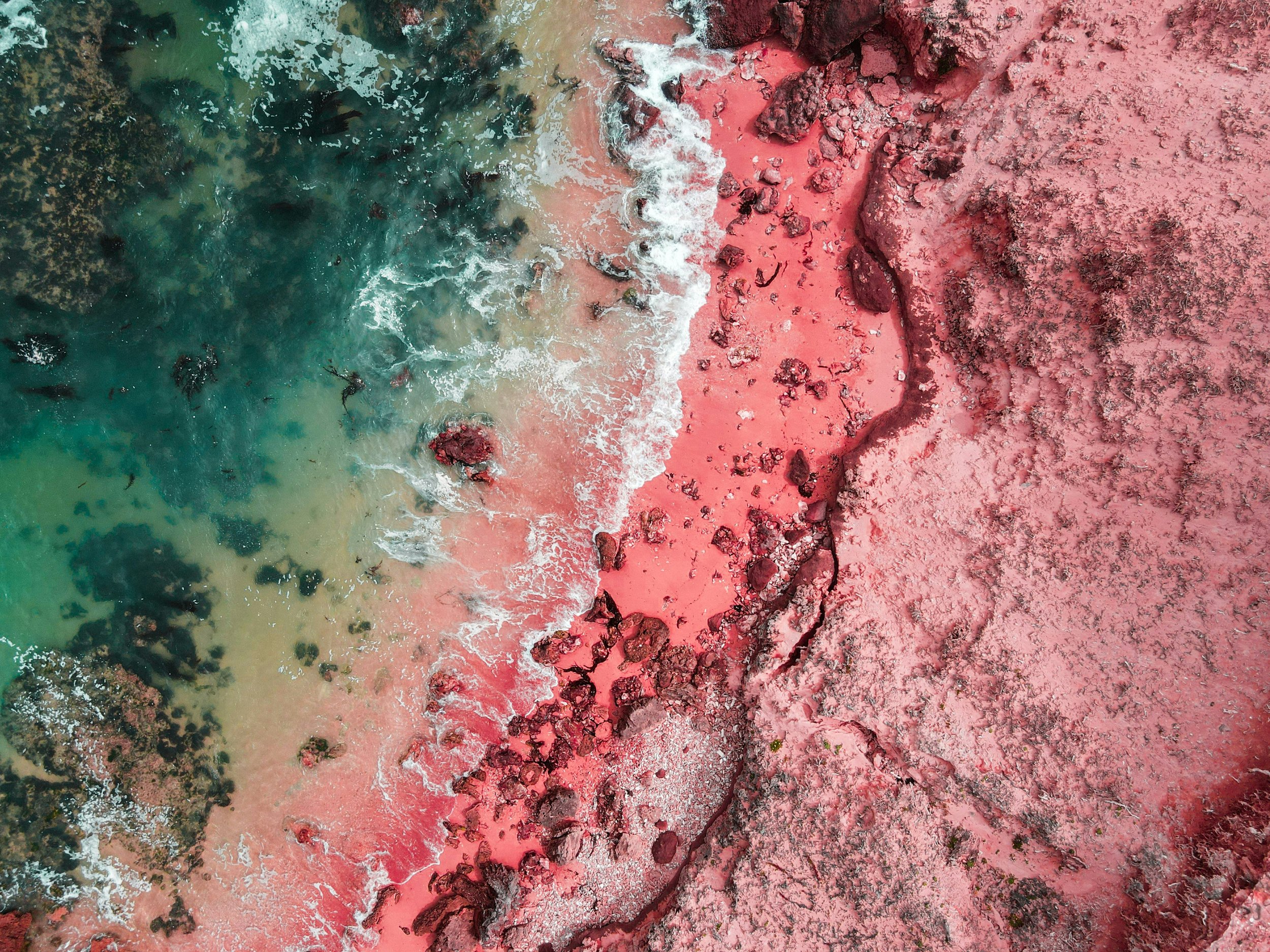
RED SAND
Similar to black sands, red sand is also found on shorelines where there’s volcanic activity. However, red sand generally derives its color from hematite, an iron-rich mineral that dehydrates and rusts over time in dry or well-oxygenated environments, such as deserts, most commonly found in places like Saudi Arabia.
PINK SAND
If you've been connecting the dots so far, you'll see that the common theme in the sands is which natural resources they come from. Pink sands come from teeny tiny marine organisms called foraminifera (forams), which have bright red and pink shells. The shells are ground up and mixed with white coral shells broken into fragments by waves, creating the beautiful, rosy-colored sand found on the shores of beautiful islands like Bermuda, The Bahamas, and Crete, Greece.
CORAL SAND
Coral sand, while it may appear like pink sand, is different in composition and origin. It is more of a geographical term than anything, specifically referring to the mix of fragmented and/or remnant skeletal fragments of coral and other marine organisms like mollusks and crustaceans (... Yes, baby, welcome to shrimp beach!)
In short, pink sand describes the color, and coral sand describes the specific geological composition of the sand.
For the best coral beaches, add these destinations to your bucket lists: Bonaire in the Caribbean, Cozumel, a fabulous island just off Playa Del Carmen in Mexico, Okinawa, Japan, Indonesia for Raja Ampat, Australia for The Great Barrier Reef, the Maldives, French Polynesia, and Fiji.
The common denominator is always movement. As the wind blows, the beach grows. When you’re on one island, you might be met with soft beauty, whereas on another, you may run into a more granular-sized sand displaying the diversity of sand with every wave.
We’d love to know which sands you’ve seen in person, wish to see, and now officially plan to see after learning more about the sands you can travel for!
Photographers in order by photograph, unless otherwise stated:Stefanie Jockschat via UnsplashKristian Ranstrom via UnsplashNathan Jennings via Unsplash